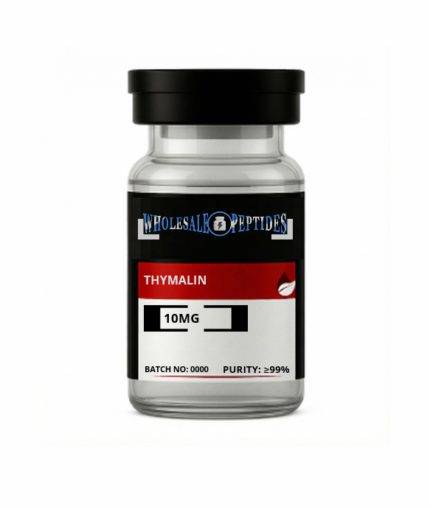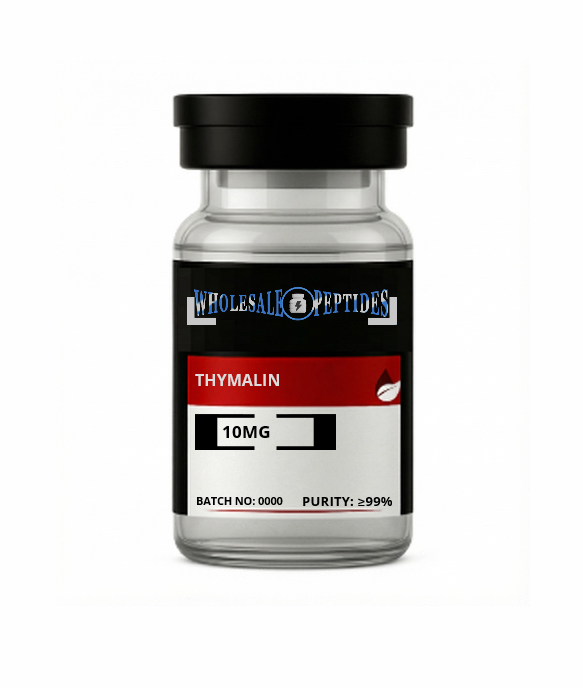
Thymalin 10mg Overview
Thymalin 10mg is a synthetic peptide. We derive this compound from the thymus gland. In laboratory settings, researchers study its effects on immune system regulation. Specifically, scientists investigate how it influences T-cell differentiation and cellular signaling pathways.
Furthermore, this peptide is a primary tool for studying regenerative biology. It also helps researchers understand aging-related immune decline. Therefore, we supply Thymalin strictly for laboratory use to ensure accurate experimental results.
Chemical Composition of Thymalin 10mg
Thymalin maintains a well-defined chemical structure. This ensures high accuracy in preclinical research.
- Amino Acid Sequence: Glu-Asp-Gly-Pro
- Molecular Formula: $C_{14}H_{22}N_{4}O_{8}$
- Molecular Weight: ~358.3 g/mol
- Purity: ≥99% (HPLC verified)
- Format: Lyophilized research-grade peptide powder.
Product Features and Specifications
We manufacture our Thymalin 10mg to meet the highest analytical standards.
- Grade: Research and Analytical Grade.
- Testing: Verified by HPLC and Mass Spectrometry.
- Storage: Store at -20°C, away from light and moisture.
- Handling: For laboratory professionals only.
Key Research Benefits and Applications
In controlled laboratory environments, Thymalin demonstrates several vital physiological impacts. Notable areas of investigation include:
- Restoring Immune Function: Thymalin helps balance immune responses. Notably, it addresses age-related immune decline or immunosenescence.
- Enhancing T-cell Production: This peptide stimulates the maturation of T-lymphocytes. Consequently, it strengthens the body’s adaptive immune response models.
- Fighting Infection Models: Researchers use it to study viral and bacterial infections. For instance, it may accelerate recovery in pneumonia or hepatitis models.
- Modulating Cytokines: It balances pro- and anti-inflammatory cytokines. Therefore, it helps prevent excessive inflammatory responses in severe infection studies.
- Supporting Hematopoiesis: Finally, Thymalin enhances blood cell formation. This supports research regarding recovery after chemotherapy or radiation therapy.
How Scientists Study Thymalin
Scientists utilize Thymalin to explore complex cellular signaling. Specifically, key research areas include:
- T-cell Activation: Investigating how T-cells mature in the thymus.
- Cytokine Regulation: Modeling the production of signaling proteins.
- Immune Modulation: Observing responses in various preclinical models.
- Senescence Research: Studying the decline of immunity during aging.