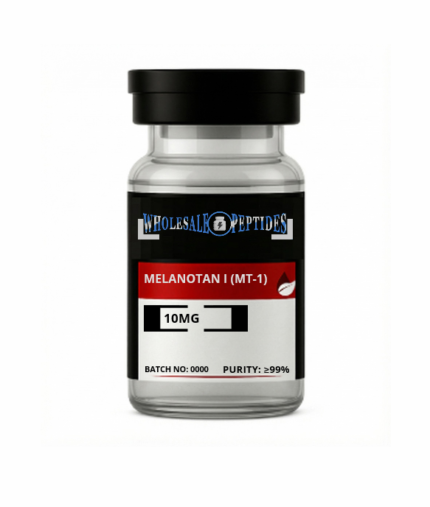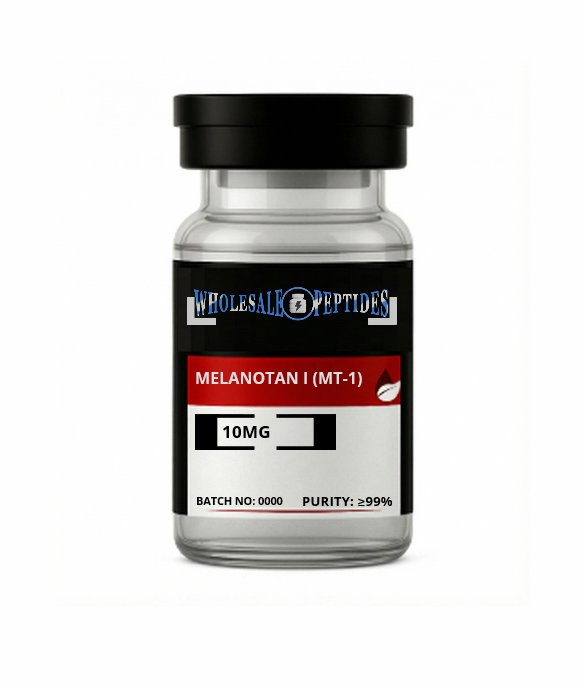
Melanotan I (MT-1) 10mg Overview
Melanotan I (MT-1) 10mg serves as a high-potency synthetic peptide analog of the naturally occurring alpha-melanocyte-stimulating hormone (α-MSH). Specifically, scientists engineered MT-1 for precision laboratory investigations. Consequently, researchers utilize this compound as a cornerstone for studying melanogenesis, pigmentation pathways, and melanocortin receptor (MCR) signaling.
As a potent precursor to melanin production, our MT-1 10mg preparation performs exceptionally well in preclinical models. Notably, these models investigate cellular receptor interactions and systemic photoprotection mechanisms. Because we prioritize research integrity, we ensure that every vial meets the most demanding research standards.
Guaranteed Purity & Analytical Excellence
We understand that successful research depends entirely on the quality of your compounds. Therefore, our Melanotan I 10mg undergoes rigorous analytical testing to guarantee its efficacy. Specifically, our latest batch results demonstrate the following specifications:
- Purity: ≥99.8% (Verified by HPLC analysis).
- Actual Assay Content: 9.83mg of active peptide.
- Microbial Safety: Notably, we detected no yeast, mold, or aerobic counts.
- Bacterial Endotoxins: Ultra-low levels at • <0.001 EU/mg.
What is Melanotan I (MT-1) 10mg?
Melanotan I functions as a non-selective agonist of the melanocortin receptors, including MC1R, MC3R, MC4R, and MC5R. By mimicking the action of α-MSH, it triggers the darkening of skin through melanogenesis. This biological process occurs when melanocytes produce melanin in response to hormonal signaling.
Unlike other less-refined analogs, peer-reviewed literature extensively documents MT-1 10mg for its specific role in modeling skin tanning. Furthermore, researchers prefer this peptide because it allows them to investigate receptor activity without the significant systemic side effects associated with other compounds.
Key Research Applications
In controlled research environments, Melanotan I (MT-1) 10mg provides a versatile tool for exploring peptide hormone regulatory pathways. Specifically, common research applications include:
- Melanocortin Receptor Signaling: First, researchers investigate how agonists interact with MCRs to influence physiological responses.
- Pigmentation Pathway Investigation: Moreover, laboratories analyze the biochemical steps of melanin synthesis in various skin cell models.
- Photoprotective Mechanism Studies: Additionally, scientists research how increased melanin levels offer cellular protection against UV-induced damage.
- Peptide Hormone Interaction: Furthermore, studies explore the comparative efficacy of synthetic analogs versus endogenous hormones.
- Cell Signaling Analysis: Finally, researchers utilize MT-1 as a probe for intracellular signaling cascades in dermatological research.
Choose our high-purity Melanotan I (MT-1) 10mg to ensure consistent, verifiable results for your next scientific study. Explore our selection today.