
Product Overview
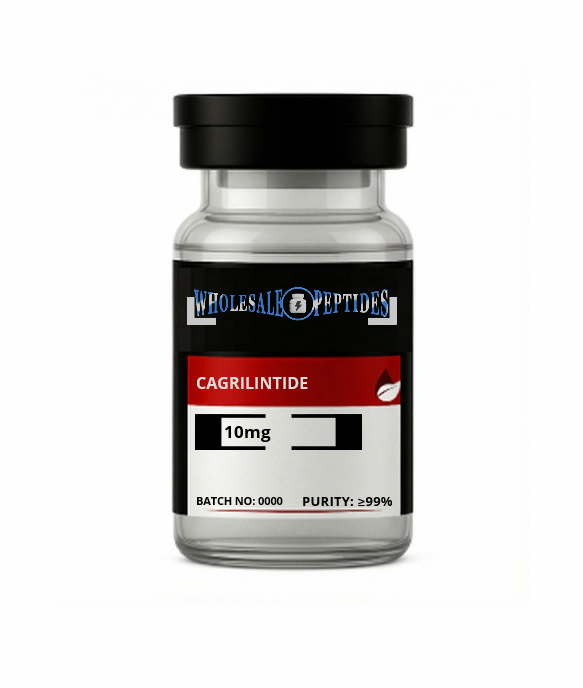
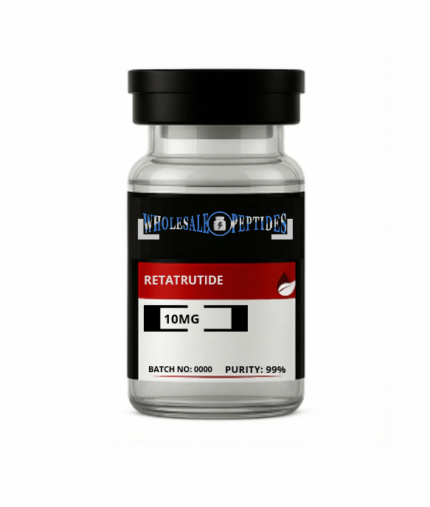
Cagrilintide 10mg is a long-acting, synthetic amylin analogue designed for sophisticated metabolic and endocrine research. Specifically, it acts as a non-selective agonist of amylin receptors. Consequently, it serves as a powerful modulator of satiety in experimental models. Researchers utilize this compound to study appetite regulation and gastric emptying dynamics. Moreover, we provide this 10mg lyophilized powder to ensure maximum stability and consistent analytical results during laboratory trials.
Scientists frequently investigate Cagrilintide for its synergistic effects when studied alongside GLP-1 receptor agonists, such as Semaglutide. Therefore, this peptide has become a cornerstone of dual-agonism research.
Mechanism of Action: Satiety & Appetite Regulation
Cagrilintide effectively mimics the naturally occurring hormone amylin. Notably, the pancreas secretes natural amylin alongside insulin to regulate glucose. In laboratory research models, the primary mechanisms include:
- Satiety Elevation: The peptide acts on the brain’s appetite-regulating centers to suppress hunger signals. Consequently, it reduces cravings in test subjects.
- Gastric Emptying Modulation: It significantly slows the rate of gastric emptying. Therefore, it leads to a prolonged sense of fullness after nutrient intake.
- Dual-Agonism Synergy: When used in combination therapy research, Cagrilintide enhances the satiety signals of GLP-1 peptides. Specifically, this combination often leads to superior metabolic outcomes compared to using a single compound.
Primary Research Applications & Benefits
- Advanced Weight Management Research
In clinical research models, the combination of Cagrilintide and Semaglutide creates a remarkable synergistic effect. Consequently, studies have observed weight loss results exceeding 20% of total body weight. This level of efficacy often compares to the outcomes of bariatric surgery in specific research contexts. - Glycemic and Insulin Resistance Studies
Cagrilintide serves as a critical tool for researchers investigating blood sugar regulation. Specifically, current studies suggest the peptide may help reverse prediabetic markers. Furthermore, researchers use it to analyze improvements in insulin sensitivity within metabolic models. - Cardiometabolic Health Biomarkers
Research involving Cagrilintide extends to broader health metrics. For example, scientists investigate its impact on:
• Reductions in blood pressure.
• Improvements in lipid profiles, such as cholesterol and triglycerides.
• Decreases in systemic inflammatory markers.
Storage & Reconstitution Guidelines
To maintain the integrity of your research, follow these storage protocols:
- Long-term Storage: Store unopened vials in a freezer at -20°C to ensure maximum shelf life.
- Short-term Storage: Refrigerate at 2°C–8°C for immediate research use.
- Reconstitution: Use bacteriostatic water for the reconstitution process. Once you dissolve the peptide, keep the solution refrigerated and utilize it within 21 days for optimal research potency.
Reviews
There are no reviews yet.