Product Overview
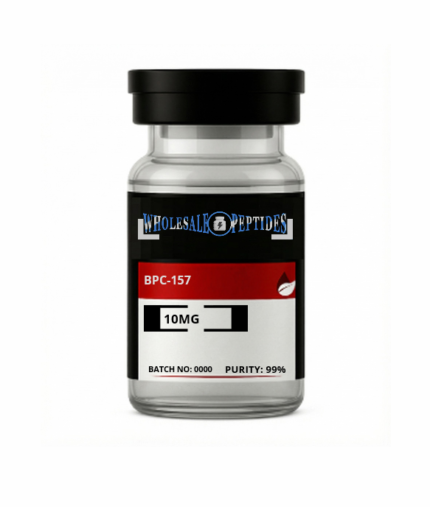
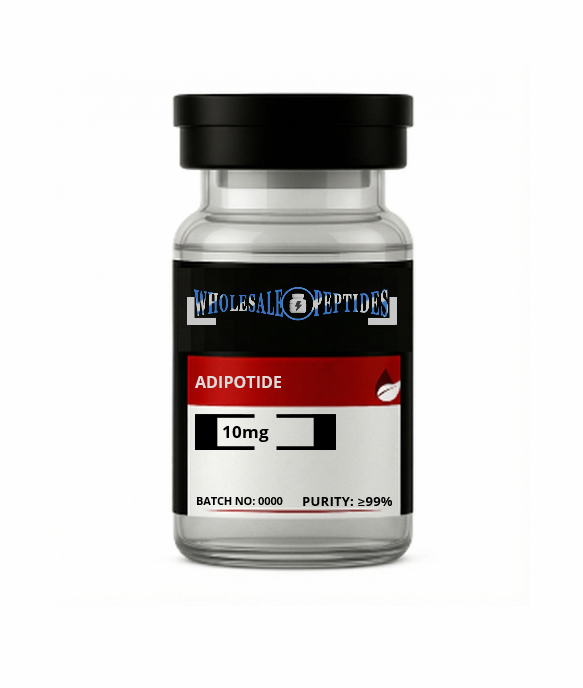
Adipotide 10mg is a synthetic research peptide known as FTPP. Scientists primarily use this compound to investigate programmed cell death, also called apoptosis. Specifically, Adipotide targets a natural protein known as prohibitin. Consequently, researchers often refer to this molecule as Prohibitin-targeting peptide 1 (Prohibitin-TP01).
Current research explores how prohibitins regulate vital functions. These functions include cell formation, metabolism, and inflammation. Because of its targeted properties, Adipotide has become a significant molecule in modern metabolic studies.
Product Features and Specifications
We manufacture our Adipotide 10mg to meet the highest analytical standards. This ensures laboratory-grade results for every study.
- Purity: Extensively tested for consistent bioactive potency.
- Format: Supplied as a high-purity lyophilized powder in a sealed vial.
- Stability: Optimized for long-term shelf life and structural integrity.
- Storage: Keep in a cool, dark environment to preserve peptide quality.
Primary Research Applications
In controlled laboratory environments, scientists utilize Adipotide to explore adipose-related signaling. Specifically, research applications include:
- Adipose Tissue Research: Investigating signaling within fat-related vasculature.
- Receptor Targeting: Analyzing how peptides bind to specific prohibitin receptors.
- Metabolic Pathways: Mapping the chemical reactions involved in metabolism.
- Molecular Modeling: Creating networks to simulate cellular signaling behavior.
- Metabolic Regulation: Performing experimental studies on weight management.
- In Vitro Interaction: Executing controlled studies on peptide-cell interactions.
The Evolution of Adipotide Research
Initially, research teams investigated Adipotide for its potential to inhibit cancer cells. Specifically, they believed the peptide could cut off the blood supply to malignant growths. However, further experiments revealed a different mechanism of action. Scientists noticed that the peptide targets the vasculature associated with fat cells instead.
As a result, Adipotide may cause fat cells to undergo apoptosis by restricting their blood supply. This "proof of concept" study suggests the peptide has significant potential for obesity mitigation and lipolysis research. Nevertheless, scientists must conduct further studies to understand its full impact on cellular systems.