Product Overview
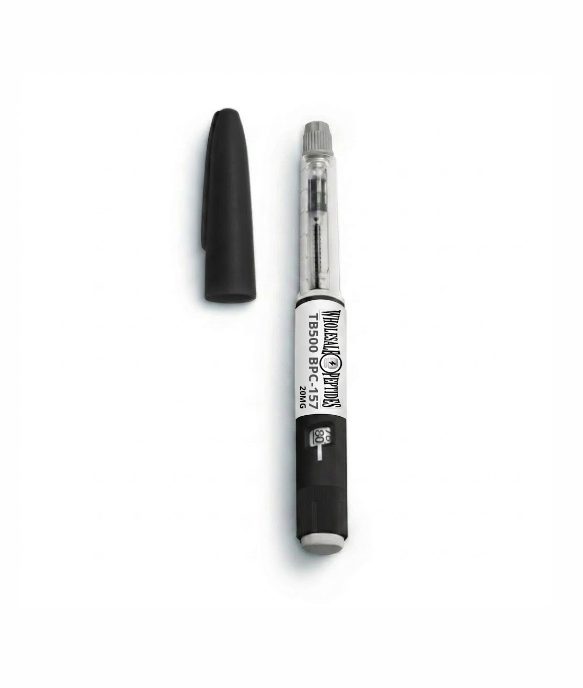
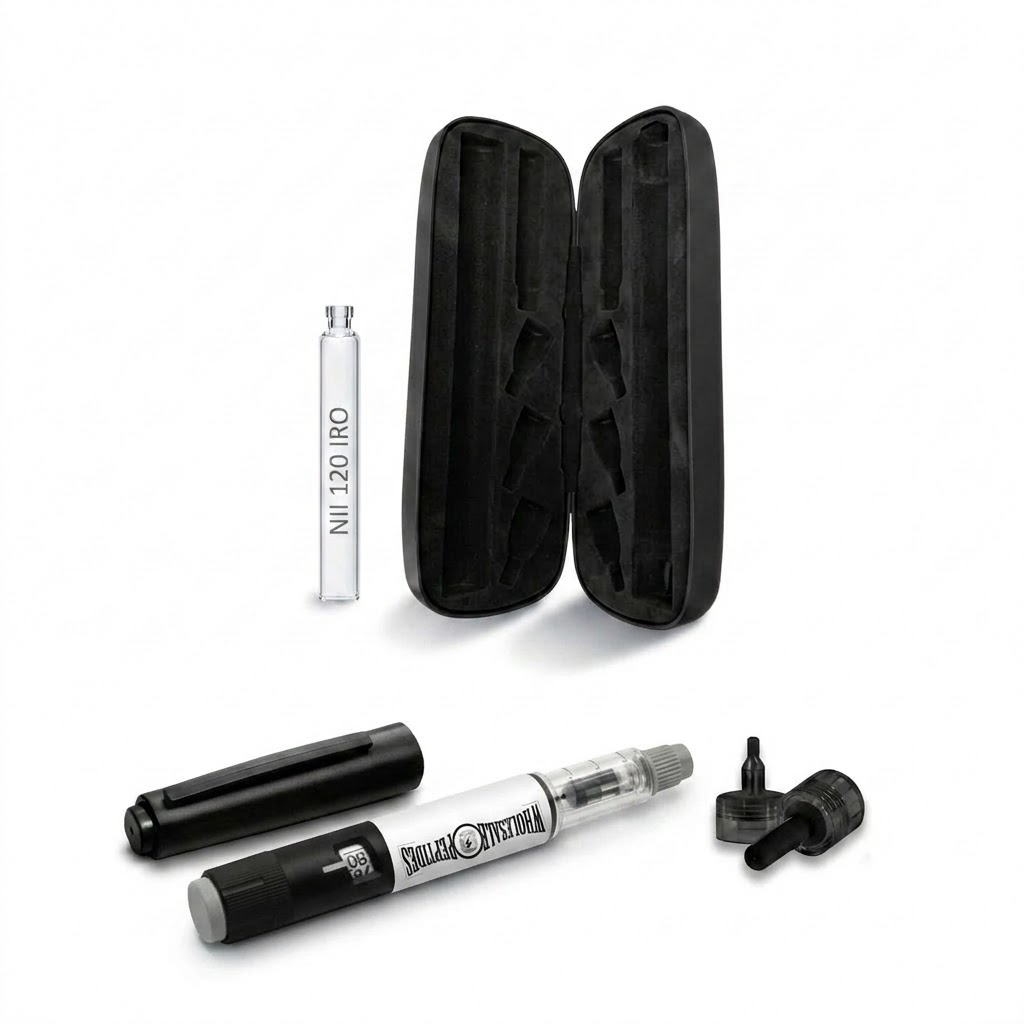
TB500 BPC-157 Blend 20mg Premixed Pen is a powerful synergistic peptide stack. Researchers investigate this combination in controlled laboratory environments to study molecular regulatory systems. Specifically, this blend focuses on peptide-mediated signaling pathways. This preparation contains a balanced ratio of 10mg BPC-157 and 10mg TB-500.
TB500 BPC-157 Blend 20mg Pen Features and Specifications
We manufacture our TB500 BPC-157 Peptide Blend to meet the highest industry standards. This ensures laboratory-grade results for every study.
- Total Content: 20mg per pen (10mg BPC-157 / 10mg TB-500).
- Purity: Tested for consistent bioactive potency.
- Format: High-purity lyophilized powder in a sterile research vial.
- Stability: Optimized for long-term shelf life and structural integrity.
Therefore, you should specifically choose our high-quality TB500 BPC-157 Blend 20mg Pen. Consequently, this peptide will empower your specialized research with a trusted, high-purity blend. Furthermore, we invite you to explore its vast research potential starting today.
Primary Research Applications
In controlled laboratory settings, scientists utilize the BPC-157 + TB-500 blend for various experimental models. Specifically, examples of research applications include:
- Signaling Pathway Investigation: Analyzing how combined peptides trigger molecular responses.
- Receptor Interaction: Studying the binding dynamics of dual-peptide structures.
- Intracellular Modeling: Creating networks to simulate complex signaling behavior.
- Comparative Analysis: Evaluating the effectiveness of peptide stacks versus single-molecule applications.
- Molecular Pathway Research: Mapping the chemical reactions involved in tissue-related signaling.
- In Vitro Research: Conducting controlled experiments on live cell cultures.
Compound Overview: BPC-157 and Thymosin Beta-4
Both BPC-157 and Thymosin Beta-4 (TB-500) are synthetic peptides essential for biochemical research. In experimental models, scientists study these compounds to understand signaling networks. Because of their combined molecular profile, this blend allows for a more comprehensive analysis of regulatory processes.
Furthermore, the dual-peptide structure provides a unique opportunity to examine overlapping signaling mechanisms. Most laboratory studies utilize this stack to observe how combined peptides influence intracellular signaling compared to isolated compounds. Therefore, it remains a frequently referenced tool in regenerative biology research.