

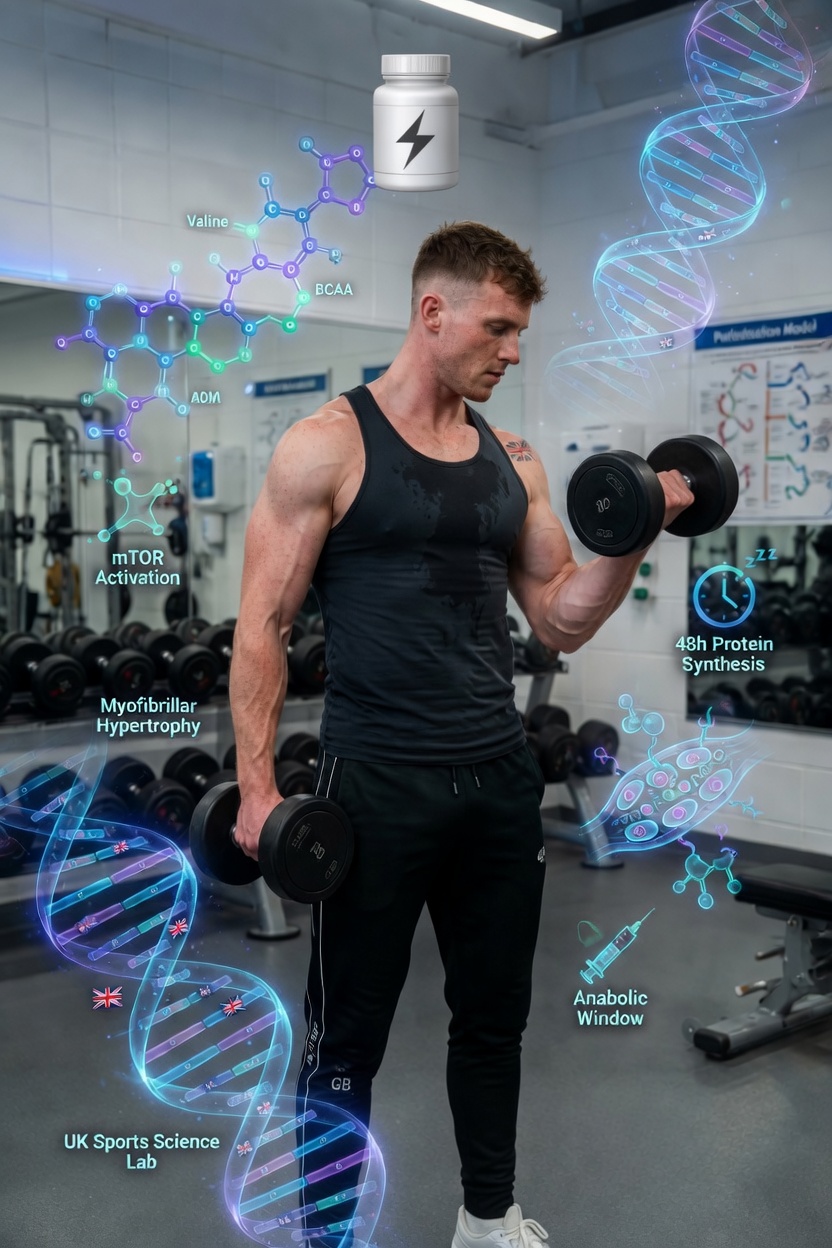
Breaking through a fitness plateau can be incredibly frustrating. You spend hours in the gym, meticulously track your macros, and prioritize sleep, yet the scale barely moves. Your muscle gains stall. Recovery takes longer than it used to. This is a common wall that many bodybuilders and athletes hit, prompting the search for new ways to optimize their physical performance.
Many people turn to standard supplements like creatine and whey protein, which are highly effective but sometimes insufficient for advanced goals. Others consider anabolic steroids, but the harsh side effects and legal risks make them a dangerous choice. Fortunately, there is a middle ground that has gained massive traction in the fitness community. Peptides offer a unique way to support muscle growth, accelerate fat loss, and heal injuries without the severe risks associated with traditional performance-enhancing drugs.
Reading this guide will give you a clear, comprehensive understanding of how peptides work within the human body. We will explore the specific types of peptides most beneficial for bodybuilders, outline safe dosing protocols, and explain how to source them legally. By the end of this post, you will have the knowledge you need to decide if these powerful compounds align with your fitness journey.
What Are Peptides and How Do They Work?
To understand why these compounds are so popular, we first need to look at their biological structure. Peptides are essentially short chains of amino acids linked together by peptide bonds. You can think of them as smaller, more manageable versions of proteins. While proteins consist of long, complex chains of 50 or more amino acids, peptides are much shorter. This smaller size makes them highly bioavailable, meaning your body can absorb and utilize them quickly.
Because of their specific structure, peptides act as signaling molecules. They travel through your bloodstream and bind to specific receptors on the surface of your cells. Once they attach to these receptors, they send targeted messages that instruct your body to perform specific functions. For example, some peptides signal the pituitary gland to release natural growth hormone. Others instruct the body to accelerate tissue repair or break down stored body fat.
This targeted signaling is what makes them so appealing for bodybuilding. Instead of introducing synthetic hormones that shut down your body’s natural production, many peptides simply encourage your body to optimize its own natural processes.
The Role of Peptides in Bodybuilding
Athletes and bodybuilders utilize these compounds to target several different aspects of physical development. They provide a multi-faceted approach to body composition and performance.
Muscle Growth and Repair
One of the primary reasons bodybuilders use peptides is to stimulate muscle hypertrophy. By triggering the release of human growth hormone (HGH) and insulin-like growth factor 1 (IGF-1), peptides create a highly anabolic environment. This environment accelerates protein synthesis, allowing muscle fibers to grow larger and stronger after resistance training.
Fat Loss
Shedding stubborn body fat while maintaining lean muscle mass is a constant challenge. Certain peptides specifically target fat cells, encouraging the breakdown of stored triglycerides. They increase the body’s metabolic rate and force it to use stored fat as a primary energy source, making the cutting phase significantly easier.
Enhanced Recovery and Injury Prevention
Heavy lifting takes a massive toll on joints, ligaments, and tendons. Peptides excel at promoting cellular repair and reducing inflammation. They accelerate the healing process for micro-tears in muscle tissue and help repair connective tissue. This rapid recovery reduces downtime between workouts and prevents nagging injuries from becoming chronic problems.
Improved Performance
Beyond aesthetics, these compounds can boost overall athletic performance. They improve endurance by increasing red blood cell count and optimizing oxygen delivery to working muscles. Better stamina translates to longer, more intense workout sessions.
Types of Peptides for Bodybuilding
The world of peptides is vast, but bodybuilders generally focus on a few specific categories that align with their goals.
Growth Hormone-Releasing Peptides (GHRPs)
GHRPs directly stimulate the pituitary gland to release pulses of growth hormone. They mimic the action of ghrelin, a natural hormone that regulates appetite and energy distribution.
- GHRP-2 and GHRP-6: These are potent stimulators of growth hormone. GHRP-6 is well-known for causing a significant increase in appetite, making it ideal for bodybuilders in a bulking phase. GHRP-2 provides a similar growth hormone release but with a slightly less intense appetite spike.
- Ipamorelin: This is considered one of the cleanest and safest GHRPs. It provides a slow, steady release of growth hormone without drastically elevating cortisol or prolactin levels.
- Hexarelin: Known as the strongest GHRP, Hexarelin provides massive pulses of growth hormone. However, users typically cycle it for shorter periods to prevent receptor desensitization.
Growth Hormone-Releasing Hormones (GHRHs)
While GHRPs stimulate the pulse of growth hormone, GHRHs amplify that pulse. They work best when combined with GHRPs.
- CJC-1295 (without DAC): Also known as Mod GRF 1-29, this peptide has a short half-life and mimics the natural pulsatile release of growth hormone in the body.
- CJC-1295 (with DAC): The addition of Drug Affinity Complex (DAC) extends the half-life of the peptide, keeping growth hormone levels elevated for several days.
- Tesamorelin: This GHRH is highly effective at reducing visceral fat, the dangerous fat stored around internal organs.
Peptides for Fat Loss
Some compounds are specifically engineered to target adipose tissue.
- Fragment 176-191: This is a modified piece of the human growth hormone molecule. It isolates the fat-burning properties of HGH without affecting blood sugar or tissue growth. It directly stimulates lipolysis (fat breakdown) and inhibits lipogenesis (fat formation).
Peptides for Recovery and Healing
When injuries occur, specific healing peptides can dramatically cut down recovery time.
- BPC-157: Derived from a protein found in stomach acid, BPC-157 is legendary for its healing properties. It promotes angiogenesis, which is the formation of new blood vessels. This increased blood flow accelerates the healing of tendons, muscles, and even the digestive tract.
- TB-500: A synthetic version of Thymosin Beta-4, TB-500 regulates cell building and repair. It is highly effective at reducing inflammation, improving flexibility, and healing soft tissue injuries.
Legal and Safety Considerations
Navigating the rules and regulations surrounding peptides requires careful attention.
Legality of Peptides
The legal status of peptides varies by country and athletic organization. In many regions, they are legal to purchase and possess strictly for “research purposes.” However, the World Anti-Doping Agency (WADA) bans most of these compounds in competitive sports. If you are a tested athlete, using them could result in a suspension or ban. Always verify the specific laws in your country and the rules of your sporting federation.
Sourcing Peptides Safely
Finding a reputable supplier is the most critical step. The market is unfortunately filled with counterfeit products, under-dosed vials, and contaminated batches. You must source your compounds from vendors that provide third-party laboratory testing.
For those looking for high-purity research materials, checking out reputable suppliers is essential. You can find high-quality, bulk options at Wholesale Peptides, which emphasizes product purity and secure sourcing. Securing authentic products ensures that you are actually researching the compound you paid for.
Mitigating Side Effects
While safer than anabolic steroids, peptides are not entirely without side effects. Common temporary issues include water retention, slight joint aching, numbness in the extremities, and localized redness at the injection site. To mitigate these effects, users typically start with the lowest effective dose and slowly taper up.
Medical Consultation
Before starting any new protocol, consulting with a medical professional is highly recommended. A doctor can help monitor your blood markers, assess your hormone levels, and ensure that your chosen protocol aligns with your overall health profile.
Dosing and Administration
Proper administration is vital for safety and efficacy. Because peptides are fragile molecules, they require specific handling.
Injection Protocols
Most peptides come as a freeze-dried powder that must be reconstituted with bacteriostatic water. Once mixed, they must be stored in a refrigerator to prevent degradation. Administration is typically done via subcutaneous injection (pinching the skin and injecting into the fat layer) using a small insulin syringe. Some healing peptides like BPC-157 are sometimes injected intramuscularly near the site of an injury for localized effect.
Recommended Dosages
Dosages vary wildly depending on the specific compound. For example, Ipamorelin is often dosed around 200 to 300 micrograms per injection, taken two to three times daily. BPC-157 might be dosed at 250 micrograms twice a day. Users must research the specific standard protocols for their chosen compound.
Cycle Lengths
Continuous use of some compounds can cause your body’s receptors to downgrade. To prevent this, users typically run cycles. A standard cycle might last 8 to 12 weeks, followed by a 4-week break. Because most peptides do not shut down natural testosterone production, traditional post-cycle therapy (PCT) with SERMs (Selective Estrogen Receptor Modulators) is usually unnecessary.
Stacking Peptides for Optimal Results
Combining different compounds can produce a synergistic effect, meaning the combined result is greater than the sum of its parts.
Common Peptide Stacks
- The Mass and Strength Stack: Combining a GHRH like CJC-1295 (without DAC) with a GHRP like Ipamorelin is the gold standard for muscle growth. The GHRH opens the floodgates, and the GHRP pushes the growth hormone through, resulting in a massive, natural pulse of HGH.
- The Fat Loss Stack: Stacking Fragment 176-191 with a mild GHRP like Ipamorelin helps preserve muscle mass while maximizing fat oxidation during a caloric deficit.
- The Wolverine Recovery Stack: Using BPC-157 and TB-500 simultaneously provides ultimate tissue healing. BPC-157 focuses on local tendon and ligament repair, while TB-500 circulates systemically to reduce overall inflammation.
Integrating Peptides into a Bodybuilding Program
Peptides are not magic solutions. They require a solid foundation of proper nutrition and training to work effectively.
Diet and Nutrition
If your goal is muscle growth, you still need to be in a slight caloric surplus with adequate protein intake. If your goal is fat loss, you must maintain a caloric deficit. Interestingly, peptides that stimulate growth hormone work best when insulin levels are low. Therefore, many users time their injections during a fasted state, such as first thing in the morning or right before bed, avoiding carbohydrates for at least an hour post-injection.
Training Protocols
Your training should match your goals. Heavy, progressive overload is necessary to signal the muscles to grow. Peptides will simply speed up the recovery and hypertrophy process that your training initiates.
Lifestyle Factors
Growth hormone is primarily released during deep sleep. If your sleep hygiene is poor, you will severely limit the benefits of your protocol. Aim for seven to nine hours of quality sleep per night. Additionally, chronic stress elevates cortisol, which actively works against muscle growth and fat loss. Managing stress through active recovery and relaxation techniques is a key component of the process.
Real-World Experiences and Testimonials
Anecdotal evidence in the bodybuilding community strongly supports the efficacy of these compounds. Many older athletes report that incorporating Ipamorelin and CJC-1295 makes their joints feel a decade younger. Bodybuilders recovering from severe muscle tears frequently document their rapid rehabilitation using BPC-157, often cutting their expected recovery time in half.
Competitive physique athletes praise Fragment 176-191 for helping them break through the final plateau of fat loss before a show. While clinical trials on human athletes remain limited due to regulatory hurdles, the massive volume of positive user experiences highlights the significant potential these compounds hold.
Maximize Your Gains Safely
Peptides represent a fascinating frontier in human performance and bodybuilding. They provide a targeted approach to building muscle, burning fat, and healing tissue by optimizing the body’s natural signaling pathways. Compared to the harsh impact of anabolic steroids, they offer a significantly safer profile with fewer systemic side effects.
However, success with these compounds requires diligence. You must respect the dosing protocols, maintain rigorous training and nutrition habits, and prioritize legal, high-quality sourcing to protect your health. The future of athletic recovery and body composition is shifting toward these advanced biological tools. Take the time to evaluate your fitness goals, consult with a medical professional, and consider how a well-structured peptide protocol could help you achieve the physique and performance you have been working toward.