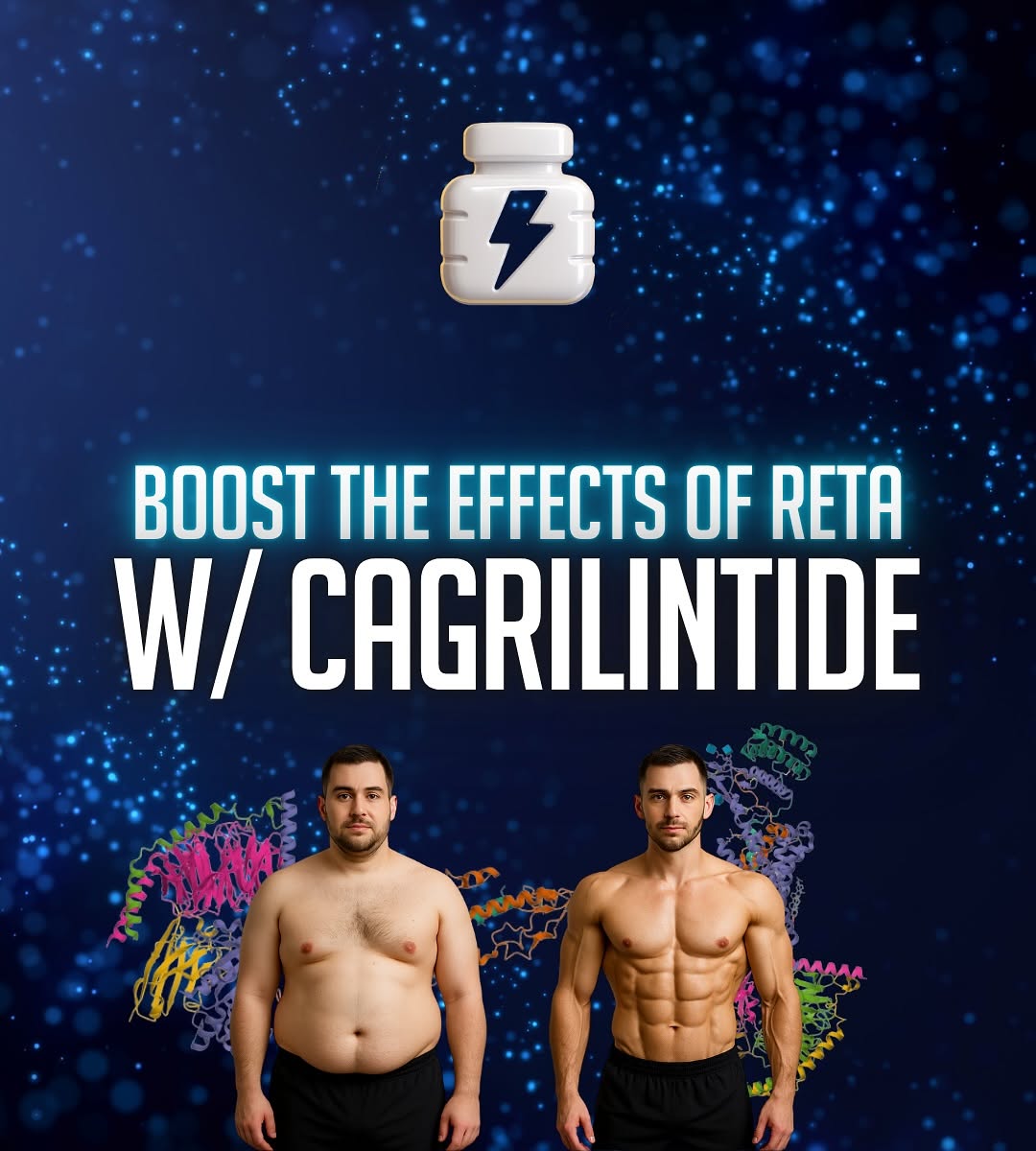
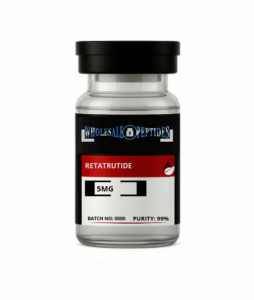
Retatrutide (RETA) is already making waves as one of the most powerful fat-loss compounds ever studied. As a “triple-agonist” targeting GLP-1, GIP, and glucagon receptors, its results are unprecedented. However, for those looking to reach the next level of body recomposition, the conversation has shifted toward synergy..
By stacking Retatrutide with Cagrilintide, researchers and athletes are finding they can achieve superior results with lower doses and fewer side effects. Here is everything you need to know about this game-changing combination..
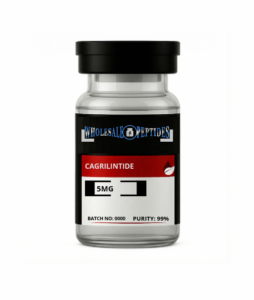
What is Cagrilintide?
Unlike the GLP-1 family of peptides, Cagrilintide is a long-acting amylin analog. Amylin is a hormone that works alongside insulin to:
- Slow gastric emptying.
- Suppress glucagon.
- Significantly increase satiety (the feeling of fullness).
Because Cagrilintide acts via amylin receptors in the brain rather than gut hormones, it provides a completely different type of appetite suppression. Most importantly, it often avoids the nausea and GI distress commonly associated with GLP-1 medications.
The Power of the Dual-Satiety Pathway
When you combine a GLP-1/GIP/Glucagon agonist like Retatrutide with an amylin analog like Cagrilintide, you create a dual-satiety pathway.
While Retatrutide handles metabolism boosting and fat oxidation, Cagrilintide adds a layer of central appetite regulation and post-meal glucose stabilization. This combination makes overeating nearly impossible and keeps appetite suppression smoother and more consistent throughout the week.
Why Stack Cagrilintide with RETA?
For many users, the “more is better” approach with Retatrutide can lead to unwanted side effects or high costs. Adding Cagrilintide allows for:
- Lower RETA Doses: Achieve the same (or better) results while keeping the primary compound’s dose low.
- Reduced Side Effects: Lower doses of each compound generally mean a more comfortable experience.
- Better Glucose Control: Improved postprandial (post-meal) insulin and glucose management.
- Additive Fat Loss: Attacking fat loss from four different hormonal pathways simultaneously.
The Science of Synergy
The data backing this combination is compelling. A 2021 trial involving Cagrilintide stacked with Semaglutide (2.4 mg) showed a massive 17-18% mean weight loss over just 20 weeks—results greater than either drug could achieve alone.
Given that Retatrutide already outperforms Semaglutide in head-to-head comparisons, the logical deduction is significant. By combining RETA’s triple-agonism with Cagrilintide’s amylin signaling, researchers suggest weight loss could potentially reach 25-30% due to the overlapping mechanisms. It isn’t just additive; it is truly synergistic.
The Bottom Line
Cagrilintide effectively “amplifies” Retatrutide. By adding another satiety pathway and stabilizing post-meal metabolism, it allows you to eat less naturally and burn fat more efficiently.
For those chasing deep fat loss with lower binge-rebound risks and better metabolic control, this stack represents the closest thing to “complete” appetite management the industry has seen to date.
This approach is not for everyone. If you genuinely struggle to eat enough food to gain weight, even with a high appetite, using RETA during a bulk would likely be counterproductive. For such individuals, RETA might be more appropriately utilized during a cutting phase.
However, if you are someone who:
- Struggles to keep bulks clean.
- Consistently gains more fat than muscle.
- Wants to optimize nutrient utilization during a growth phase.
Then, using very low-dose Retatrutide as part of your lean bulking strategy could be a genuine game-changer. It offers a sophisticated way to manage your metabolism and maximize your efforts in the gym.